AI in the Wet Lab: Optimization, Automation, and the Changing Role of the Scientist
OpenAI's recent wet lab experiment demonstrates significant efficiency gains but raises questions about the future role of human researchers.
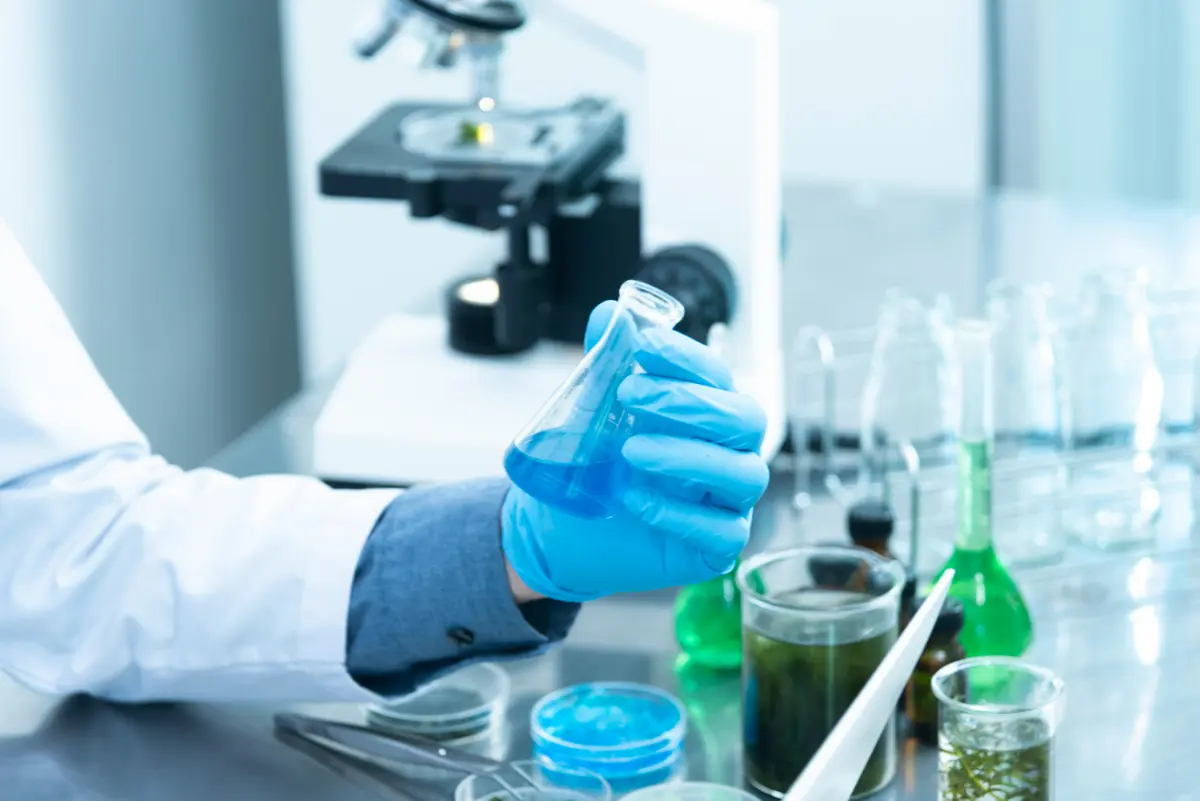
Key Developments
OpenAI, in collaboration with Red Queen Bio, recently deployed GPT-5 to optimize a standard wet lab procedure. The objective was to improve a molecular cloning protocol, a fundamental tool in biology used for creating libraries central to protein engineering. The results were statistically significant: the model autonomously reasoned through the process and introduced a novel mechanism (RecA-Assisted Pair-and-Finish HiFi Assembly (RAPF)) which utilized two specific enzymes, RecA and gp32.
This optimization resulted in a 79-fold increase in cloning efficiency compared to the baseline protocol. Notably, the experimental loop was designed so that the AI operated independently regarding the protocol design. Human scientists functioned strictly as the physical execution layer, carrying out the model’s instructions without intervening in the scientific reasoning. Later phases of the project integrated a robotic system, “Robot on Rails,” to further automate the physical execution, achieving performance comparable to human operators.
Why This Matters
The acceleration of biological research is a tangible benefit of these advancements, yet the operational dynamics of this experiment invite closer scrutiny. While the efficiency gains are undeniable, the configuration of the pilot presents a peculiar, perhaps unsettling, paradigm: human lab technicians served effectively as biological extensions of the digital model. Their role was reduced to mechanical execution, following the AI’s step-by-step instructions.
This raises a fundamental question regarding the trajectory of scientific labor: if models act as the primary architects of experimental design, does the human role devolve into mere instruction following? The removal of critical thinking from the execution phase challenges traditional views of the scientist’s function in the laboratory.
However, the experiment also highlighted a necessary focus on safety. OpenAI implemented a Preparedness Framework, conducting the work in a benign, tightly controlled setting. By limiting the scope of the task and rigorously evaluating model behavior, the project aimed to inform biosecurity risk assessments. Given the dual-use nature of biological research, developing system-level safeguards is as critical as the optimization itself.
The Broader Context
This experiment does not exist in a vacuum. As detailed in recent reviews of the field, like Artificial intelligence in drug development (Nature Medicine), the pharmaceutical industry and biotech startups already integrate artificial intelligence across the drug development pipeline. Current applications range from identifying disease targets and predicting pharmacokinetic properties to planning chemical synthesis routes.
The OpenAI pilot aligns with a wider industry trend toward “self-driving laboratories.” The goal is to automate the Design-Make-Test-Analyze (DMTA) cycle, reducing the time and cost associated with manual experimentation. While OpenAI’s experiment focused on molecular cloning, the broader field is leveraging similar logic for small-molecule drug discovery and repurposing. The integration of robotic systems, as seen with the Robot on Rails, suggests a future where the heavy lifting of wet lab work is increasingly automated, potentially freeing human researchers to focus on higher-level strategy and hypothesis generation—provided they remain in the loop of critical inquiry.
Looking Ahead
The successful optimization of wet lab protocols by GPT-5 signals a shift in how biological research can be conducted. The challenge moving forward will be balancing the efficiency of automated reasoning with the necessity of human oversight. While AI can optimize parameters and propose novel mechanisms, the direction of research and the interpretation of its societal impact must remain human responsibilities.